Hyodo's Paradise: Building Intimacy with Minimal Kit
Rabie overcame limited Japanese and no doc experience by spending visits, using Stephan May for nuance and relying on Tina Imahara in the edit.
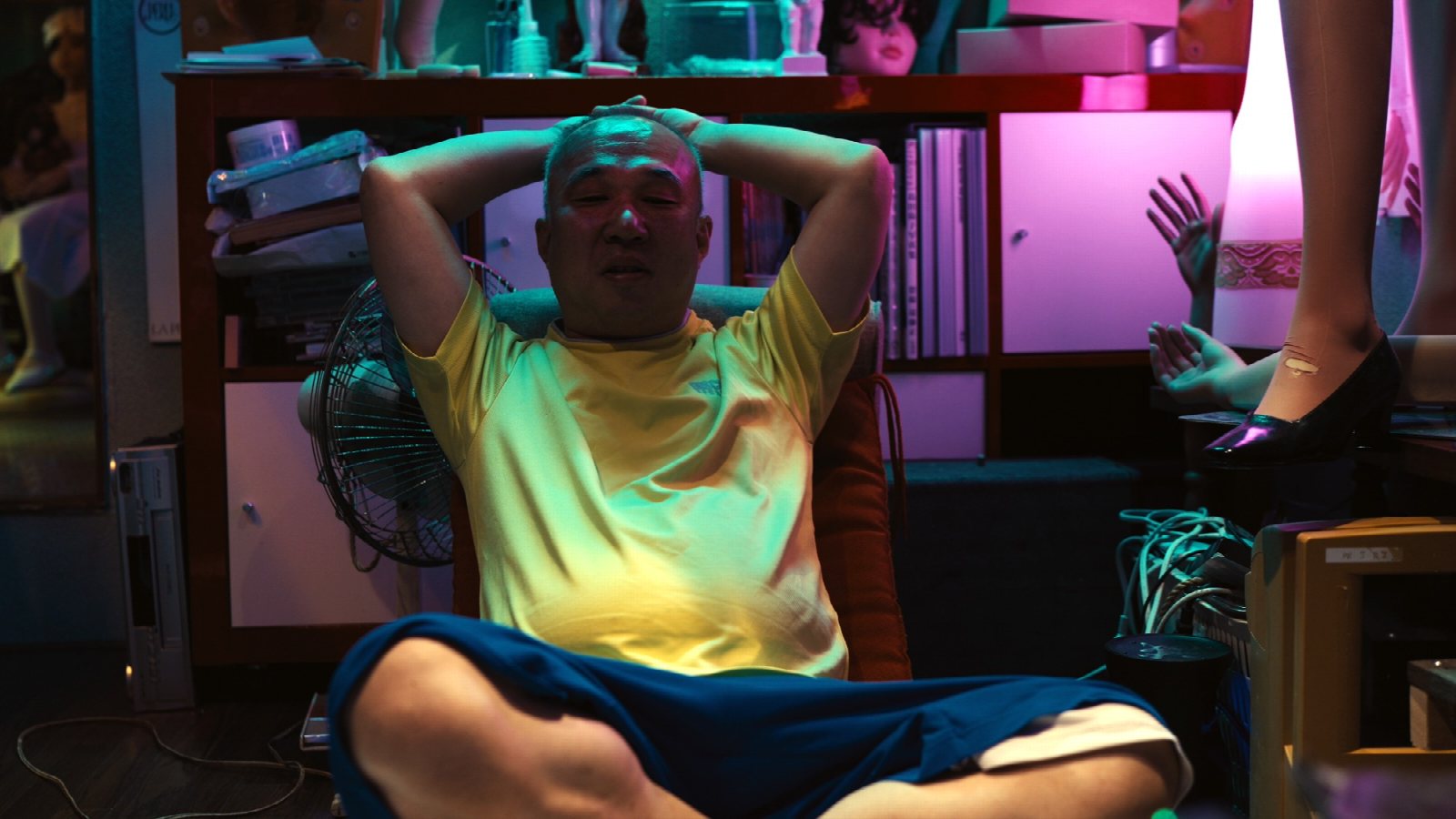 Watch on Vimeo
Constraint: limited Japanese, a director new to documentary and an environment that invites spectacle. Solution: slow presence, translation on set and a defensive edit that removed anything that felt exploitative.
Method
Jacque Rabie turned what could have been novelty into 22 minutes of domestic observation by refusing staged answers. He spent repeated visits, recorded ordinary routines (vacuuming, washing dolls, late-night rituals) and kept cameras peripheral so Hyodo could act naturally. On set Rabie used a translator — Stephan May — to catch linguistic nuance; in the edit he handed the work to Tina Imahara to recover tonal intimacy that didn’t always survive first cuts. Rabie began the shoot asking, "How can I turn this into a short? How can I use his house in some interesting way for a film? Would he be willing to act in whatever I made?" and shifted to listening when he realised "the most interesting... story was already there." Practicals for low-cost shoots: let interviews breathe, collect wide coverage of domestic detail late in the day to avoid breaking rhythm, prioritise redundancy but diversify subjects of those shots, and protect subject trust by cutting material that would expose or humiliate. Small gestures — shared film references (a Tarkovsky poster) and, at times, a beer — loosened reserve and yielded moments you can’t script. Finally, pair a director with an editor who understands the language gaps as tonal problems to be solved in the cut.
"I really felt trusted by him and didn't want to betray that trust in the edit."
— Jacque Rabie, director
Technical details
- Camera: not stated
- Lenses: not stated
- Format: not stated
- Frame rate: not stated
- Aspect ratio: not stated
- Shoot days: not stated
Rabie credits the edit-room as the place the film became what he intended. In screenings the work has provoked discomfort and reflection; Rabie says, "This film really let me open up about my own sexuality." He and producer Tegan Slattery are now developing a feature project, Kur, with collaborators in multiple countries.
A spec or a number wrong here? Tell us and we will correct it against the source.