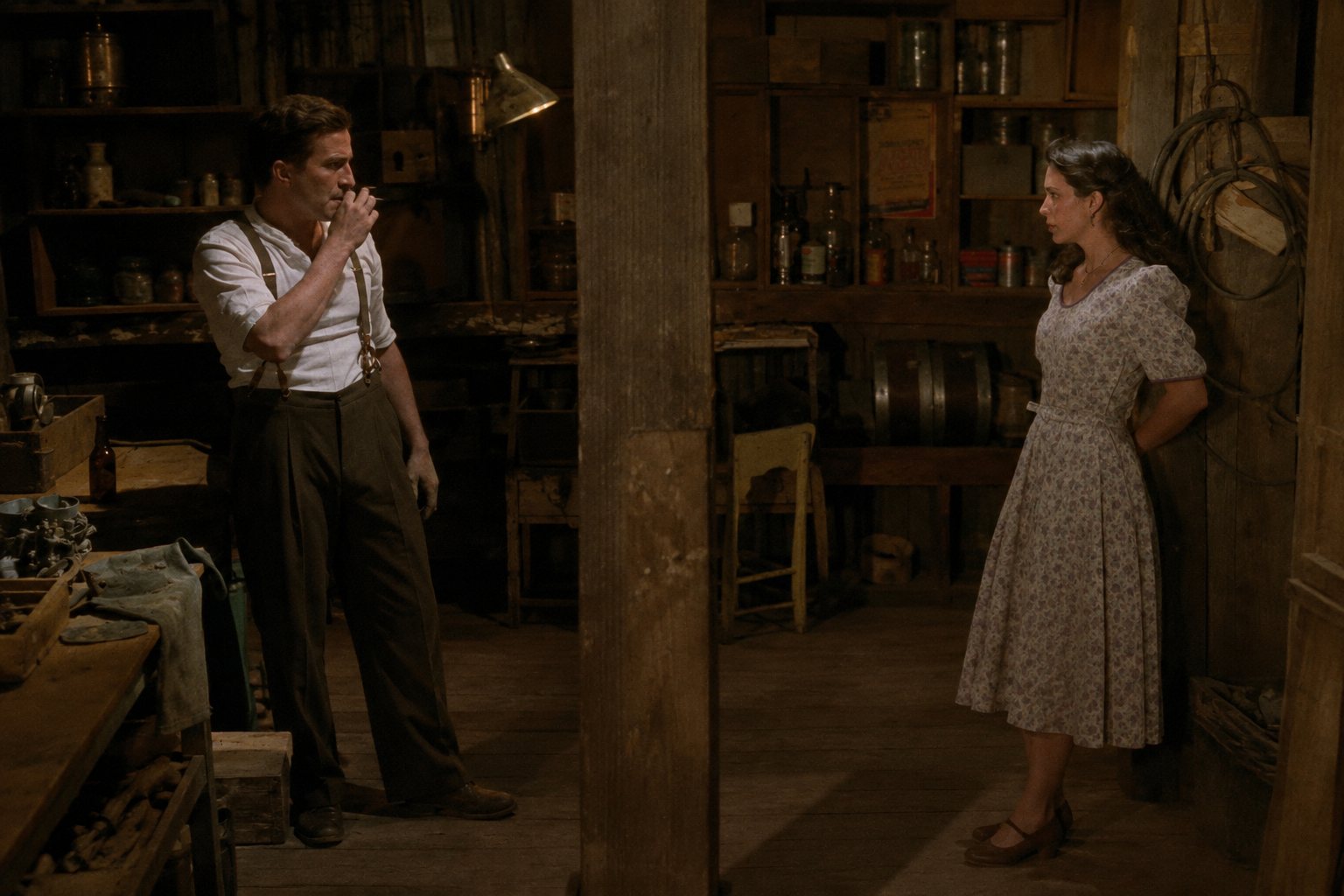
Galapagos — Kyle Sims’ dialogue‑free classroom thriller
Kyle Sims shot Galapagos in his old 1950s high school, leaning on actors, architecture and sound design to turn a shoestring reality into a tense, wordless thriller.
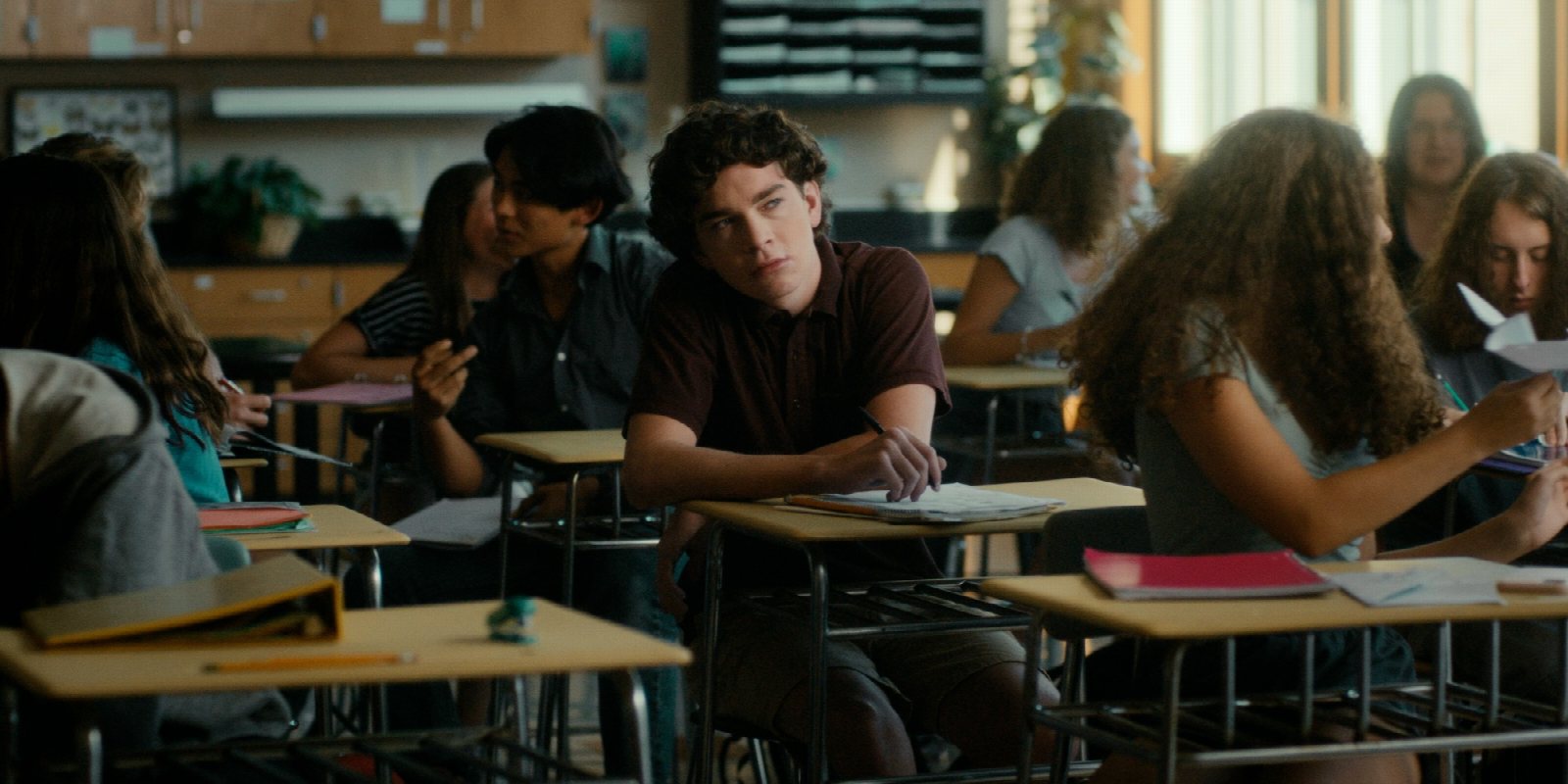 Watch on Vimeo
Constraint: limited cash and time. Solution: write a story that reduces payroll and set dressing by removing dialogue, shooting in a free location and relying on actor physicality plus practical effects.
Method
Kyle Sims built Galapagos around three economy-first choices: a dialogue-free script, his childhood high school as a no-fee location and long, uninterrupted takes that let performances carry scenes. "It just never featured in my initial conception of the film," Sims says of dialogue. "There's something liberating about abandoning the dialogue convention and focusing entirely on the physicality of the performances." That choice shrinks prep for sound, trims editing complexity and lets the two leads—Catherine Curtin and Trace Talbot—create shifts in power through posture and gesture rather than line readings.
Shooting chronologically was deliberate: actors met on day one and the relationship grew on camera, which reduced rehearsal overhead. Sims and cinematographer Alex Hass mapped shots to existing architecture; walls, windows and a windowless bathroom dictated camera placement so production avoided costly builds: "we were able to access the high school the week before shooting," Sims says.
Animals were handled practically. "We 'rented' a rabbit from a craigslist vendor..." Sims recounts; they hired a local rabbit breeder as wrangler. For the snake: "We achieved the snake’s movement by placing the snake into the enclosure and waiting for it to curl itself back up – then reversing the shot in post so it seems to be rearing to strike." The solution is low-cost: minimal animal handling on set, a wrangler and one simple post flip instead of creature rigs or CGI. Sound design then sells offscreen action—the barking dog and a rumpled menagerie out of a truck provide emotional cues without extra visual effects.
Blocking favoured long takes and fewer cuts: "there was no need to yell action and cut and constantly interrupt the chemistry," Sims notes. That workflow reduces editorial hours and lets actors find organic beats, keeping production compact and affordable while preserving the film’s tension.
Specs
- Camera: not stated
- Lenses: not stated
- Format / frame rate: not stated
- Aspect ratio: not stated
- Shooting days: not stated
Quotes attributed to Kyle Sims, director.
A spec or a number wrong here? Tell us and we will correct it against the source.